
SERVICES
Dental Implants Treatment in Trivandrum
A missing tooth looks like a small problem until the chewing changes. Then the opposite tooth starts drifting down. Food gets trapped. The gum around the neighbouring teeth becomes sore. Someone starts chewing on the other side for months, sometimes years, and then arrives asking why a back tooth on the “good side” is now painful.
That is how implant discussions usually begin in real life. Not with a brochure. Not with a smile makeover promise. With a gap that has started disturbing the mouth.
Why Implant Planning Cannot Be Standardised
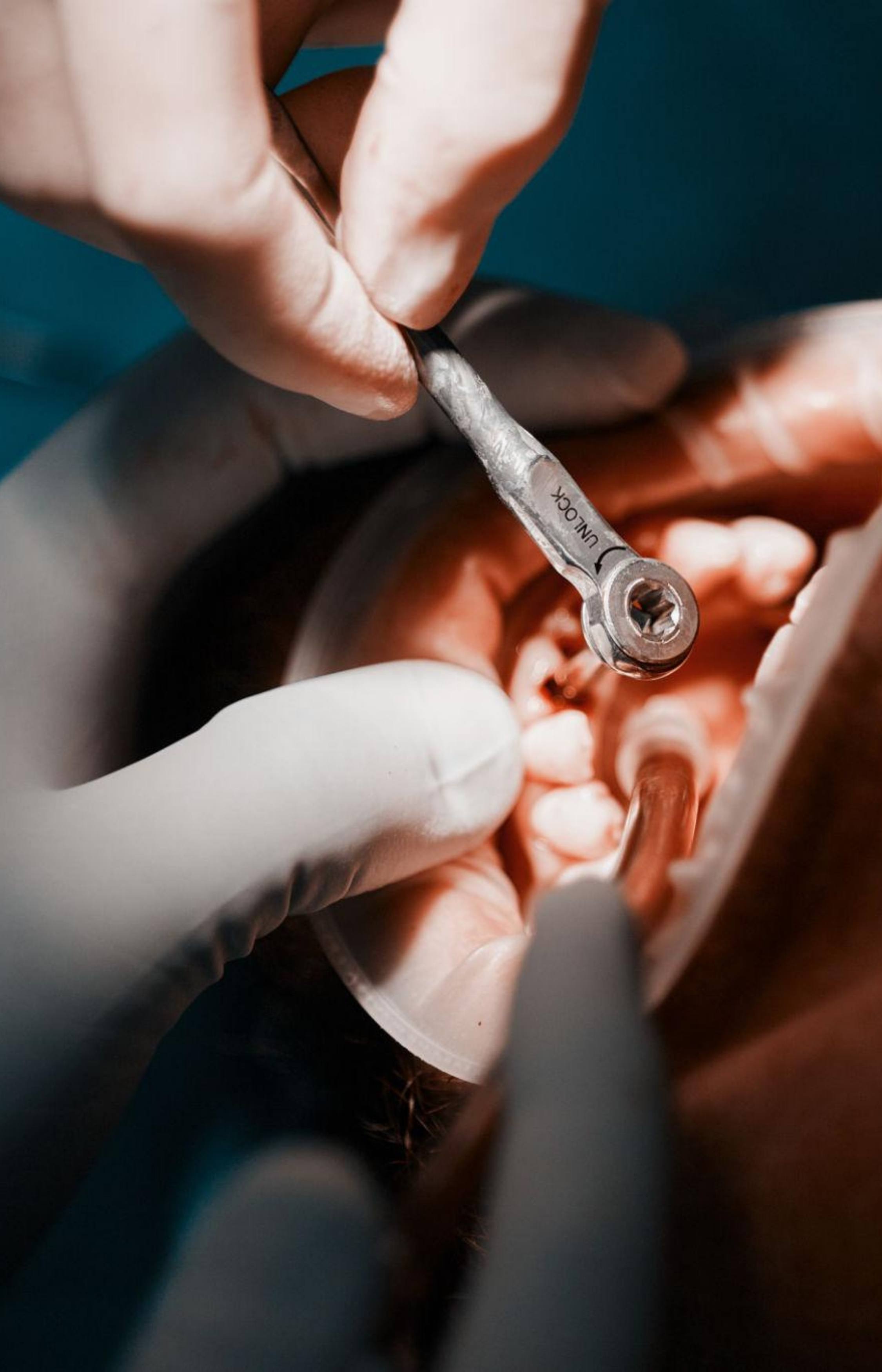
Dental Implants in Trivandrum are often spoken about as if they are simply fixed teeth placed into the jaw. That is only the visible part of the story. The real treatment is a decision about bone, gums, bite force, hygiene, time, medical history, habits, and the patient’s patience. A titanium or ceramic implant can be beautifully made and still fail if the planning is casual. A crown can look excellent on the day it is fixed and still become a nuisance if the bite is slightly high. Implant dentistry rewards precision. It punishes shortcuts.
Kerala patients are practical. They usually ask three things first: will it hurt, how long will it take, and will it look natural? Fair questions. But the better first question is whether the site is ready for an implant at all.
Bone, Gums, Bite and Patient Habits
A tooth lost recently is a different case from a tooth lost ten years ago. A front tooth lost after trauma is not the same as a molar removed because of long-standing gum disease. A lower back tooth with dense bone behaves differently from an upper back tooth close to the sinus. There are cases where the implant can be placed soon after extraction. There are cases where bone grafting is sensible. There are cases where the gum tissue needs attention before anyone should think about the final crown. Rushing that stage to satisfy a date on the calendar is a common mistake.
Patients often underestimate the value of old records. An X-ray taken before extraction, a note on why the tooth was removed, even a photograph of the area before the gum healed can help. Without that, the dentist is reading clues from the present bone and gum shape. That can still be done well, but the history matters.
A serious Dental Implant Clinic in Trivandrum should not make the treatment sound identical for every patient. It is not. Some cases are straightforward. A single lower molar with good bone, healthy gums, no heavy grinding habit, and a patient who cleans well may be predictable. A smoker with uncontrolled diabetes, gum disease, and three missing back teeth on one side is a different conversation. Not hopeless. Different.
Implants do not decay. The teeth around them do. The gums around implants can become infected. Patients sometimes hear “permanent teeth” and stop listening after that. An implant needs cleaning around the neck of the crown, below the gum edge, and between neighbouring teeth. A person who never managed to clean around a bridge or natural teeth will not magically clean around an implant unless shown properly and reviewed regularly.
The word “fixed” also creates confusion. Fixed does not mean maintenance-free. Screws may loosen. Crowns may chip. Food may collect if the gum shrinks. Night grinding can overload the implant. A crown designed for appearance alone may be harder to clean. A crown designed only for strength may look bulky in the front region. There is always a trade-off.
Dental Implants in Trivandrum need planning around local habits too. Betel chewing, smoking, high-sugar tea several times a day, aggressive brushing with hard brushes, delayed dental visits, and stopping treatment after pain settles — these are not minor details. They change outcomes. A technically correct implant can struggle in a mouth that remains inflamed.
Front Teeth, Back Teeth and the Bite Problem
The front tooth region is where patients judge the result most harshly. They are right to. A front implant is not just about replacing a tooth. It is about the gum line, the shape of the papilla between teeth, the colour of the crown in natural light, the lip movement while speaking, and whether the tooth looks alive or artificial. Sometimes the safest implant position is not where the old tooth stood. Sometimes the gum needs time to mature. Sometimes a temporary crown must be shaped gradually to guide the soft tissue. That part is rarely discussed enough.
Back teeth are less emotional until chewing starts. Then the patient notices everything. A molar implant crown must handle force. The contact with the opposing tooth must be checked carefully. If it is too light, the patient feels the tooth is not useful. If it is too heavy, the implant may be overloaded. Natural teeth have a periodontal ligament and a small amount of movement. Implants do not behave in the same way. That difference matters during bite adjustment.
There is a disagreement worth stating plainly. Not every missing tooth needs an implant. Sometimes a well-made bridge is the better option. Sometimes orthodontic movement can close a space. Sometimes leaving a space alone is reasonable, especially if the bite is stable and the patient’s health makes surgery a poor choice. Implant treatment is excellent when it is the right treatment. It is not a moral upgrade from every other dental option.
Cost, Diagnosis and Healing Time
Cost also deserves a more honest discussion. The cheaper implant is not always cheaper if the planning is weak, the components are difficult to source later, or the crown has to be remade. The expensive option is not automatically better either. Patients should ask what system is being used, whether the components are traceable, what type of crown is planned, whether a CBCT scan is needed, how follow-up is handled, and what happens if a screw loosens or a crown fractures after a few years.
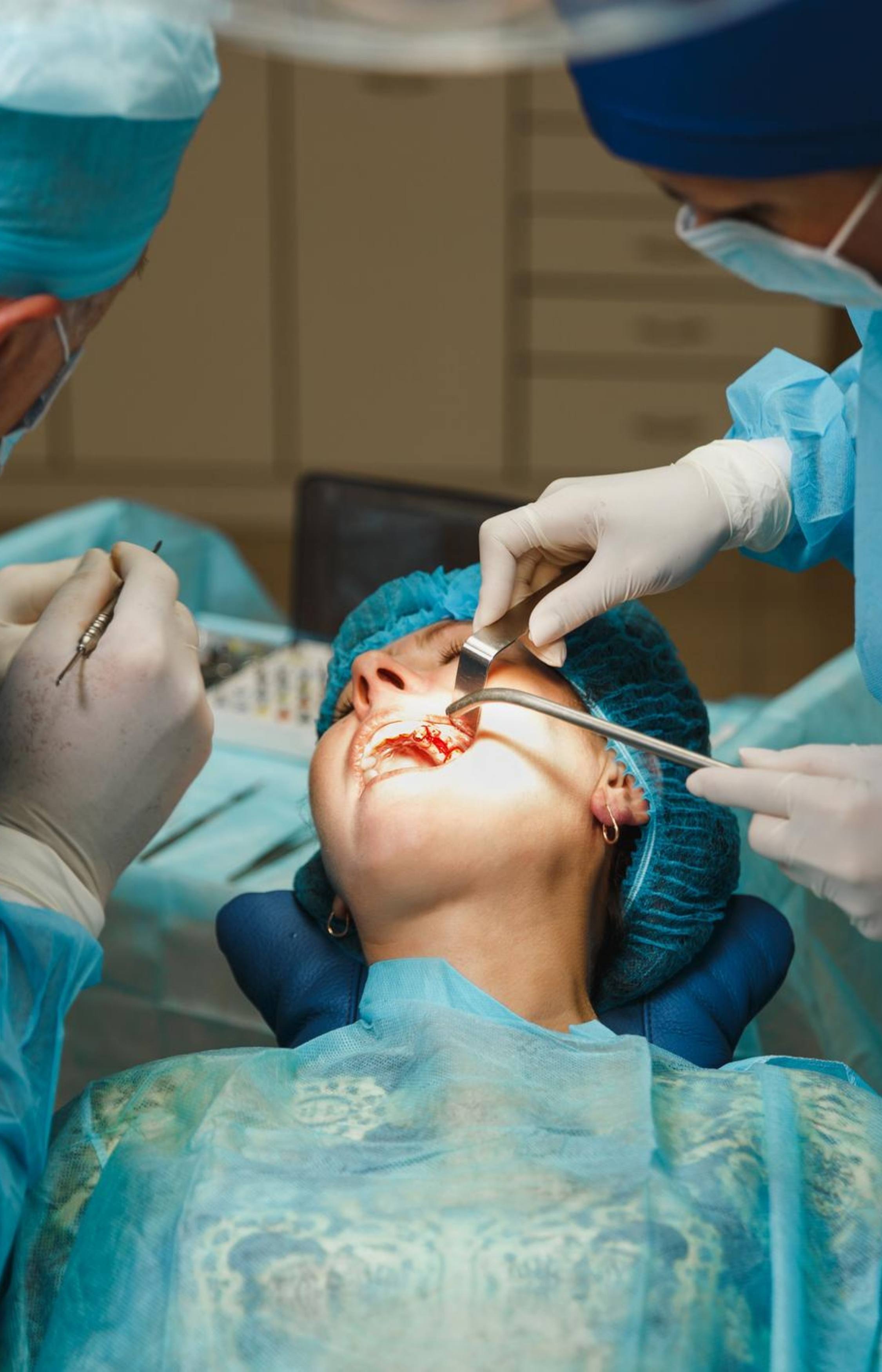
Tooth Implant Treatment in Trivandrum should begin with diagnosis, not a quotation. Clinical examination comes first. Gum health. Bite. Space. Bone height and width. Adjacent teeth. Medical history. Medication history. Diabetes control. Smoking. Previous radiation treatment. Grinding habit. Expectations. After that, imaging. Not every single case needs the same scan protocol, but implant placement without adequate assessment is poor judgement.
The healing period is where patients become impatient. Understandably so. They have already lived with a missing tooth. Once the implant is placed, they want the crown quickly. In selected cases, immediate loading is possible. In plenty of cases, waiting is safer. Bone needs to integrate with the implant surface. Soft tissue needs to settle. A rushed crown can disturb a case that was otherwise going well.
A temporary tooth can often be arranged, especially in the visible area, but it should not be treated like the final tooth. Patients bite into apples, tear packets, chew meat, and then return with a loose temporary crown. The temporary phase has rules. Boring rules, but useful ones.
Multiple Missing Teeth and Long-Term Maintenance
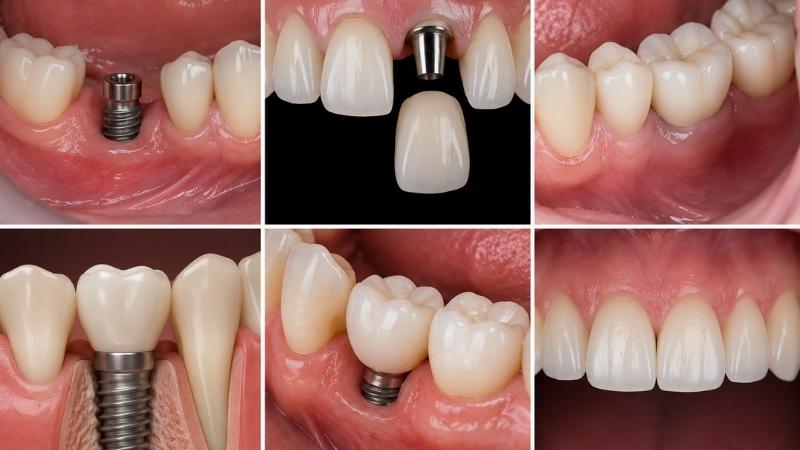
Missing Teeth Replacement in Trivandrum has changed because patients no longer accept loose dentures as the only answer. That is a good thing. For multiple missing teeth, implants can support individual crowns, bridges, or even stabilise dentures. The design depends on how many teeth are missing, where they are missing, how much bone remains, and how much force the patient generates while chewing. Four implants in one arch may be enough in some cases. In another mouth, the same number may be a compromise. The jaw is not a furniture frame where screws can be placed anywhere convenient.
A full-mouth implant case needs more discipline than a single tooth case. The bite has to be rebuilt. Speech may change temporarily. The patient has to learn to clean under the prosthesis. Food trapping is a real issue if the design is poor. Some patients expect fixed teeth that feel exactly like natural teeth from day one. They may not. They can be very comfortable, very stable, and very natural-looking, but the mouth still needs to adapt.
Dental Implants in Trivandrum are usually successful when the basics are respected. Healthy tissue. Careful planning. Good surgical positioning. Sensible prosthetic design. Regular review. Patient cooperation. Remove any one of those and the case becomes less predictable.
Pain is often less than patients expect. Anxiety is usually worse than the procedure. Local anaesthetic works well for most implant placements. There may be swelling, mild bruising, soreness while chewing, or discomfort for a few days. Complex grafting cases can be more uncomfortable. Pain that increases after a few days, bad taste, pus, fever, or mobility should never be ignored. Waiting for it to “adjust” is a mistake.
The best implant does not announce itself. It lets the patient chew without thinking. It lets the smile look normal. It allows speech without whistling or air escape. It can be cleaned without a battle every night. That is the standard worth aiming for.
FAQ
What are the common reasons for needing dental implant treatment?
Tooth loss after decay, gum disease, fracture, failed root canal treatment, trauma, or long-term infection are the usual reasons. Sometimes a tooth is present but no longer worth saving because the root is cracked or the surrounding bone has been badly damaged. The difficult part is deciding when saving a tooth has become more risky than replacing it.
Why Choose Dental Implant Treatment in Trivandrum?
Patients choose local treatment because review visits matter. Implant care does not end after surgery. The crown has to be checked, the gum has to be monitored, and bite changes may need correction. Having the treatment done close enough for follow-up is not a small advantage, especially for working patients, elderly patients, and those coming from nearby districts.
I have multiple missing teeth. Can dental implants help?
Yes, but the plan should not be rushed. Multiple missing teeth may be replaced with implant-supported bridges, individual implant crowns, or implant-supported dentures. The right design depends on bone availability, bite force, cleaning ability, budget, and expectations. A fixed solution is attractive, but it must be cleanable. That point gets ignored too often.
I have one missing tooth. Can dental implant treatment fix it?
A single missing tooth is often a good implant case when the neighbouring teeth are healthy and the bone is adequate. It avoids cutting down adjacent teeth for a bridge. Yet the space must be assessed properly. If the gap has narrowed or the opposing tooth has moved, some correction may be needed before the implant crown can be made well.
What are the advantages of dental implant treatment?
The main advantage is stable tooth replacement without relying on nearby teeth for support. Chewing usually improves. The crown can be shaped to look natural. Bone loss in the area may be reduced when compared with leaving the gap empty. For denture wearers, implants can improve retention dramatically. Still, implants demand cleaning, maintenance, and sensible follow-up.
What is Dental Implants Treatment in Trivandrum?
It is the replacement of missing teeth using implants placed into the jaw bone, followed by crowns, bridges, or denture attachments after healing. The treatment includes diagnosis, planning, surgical placement, healing, prosthetic work, and maintenance. Good treatment is not only the surgery. The final tooth design matters just as much.
How long does the dental implant process take?
A straightforward case may take a few months from implant placement to final crown. Cases needing extraction, bone grafting, sinus lift, gum correction, or full-mouth rehabilitation can take longer. Same-day teeth are possible in selected situations, but they are not suitable for everyone. Speed should not become the main measure of quality.
Is dental implant surgery painful?
During surgery, local anaesthetic usually controls pain well. After surgery, soreness and swelling may occur for a few days. More complex cases can involve more discomfort. Severe or worsening pain is not normal and should be reviewed quickly. Patients should not self-medicate repeatedly instead of returning to the clinic.
Can dental implants restore natural-looking teeth?
They can, especially when bone, gum shape, implant position, crown material, and colour matching are handled carefully. Front teeth need extra planning because the gum line shows. Back teeth need strength and correct bite contact. A natural-looking result is possible, but it comes from planning rather than luck.
How long does dental implant treatment take?
Dental Implants in Trivandrum may take anywhere from a few months to longer than a year in complex cases. The timeline depends on healing, bone quality, grafting needs, number of implants, and the type of final teeth planned. A slower plan is sometimes the cleaner plan. The mouth usually tells the dentist how fast it is safe to move.

Your Gateway to Healthy Smiles!
Guided by specialists. Built on trust.


© 2026 Trivandrum Smiles. All rights reserved.