
SERVICES
Gum Treatment in Maruthankuzhi, Thiruvananthapuram
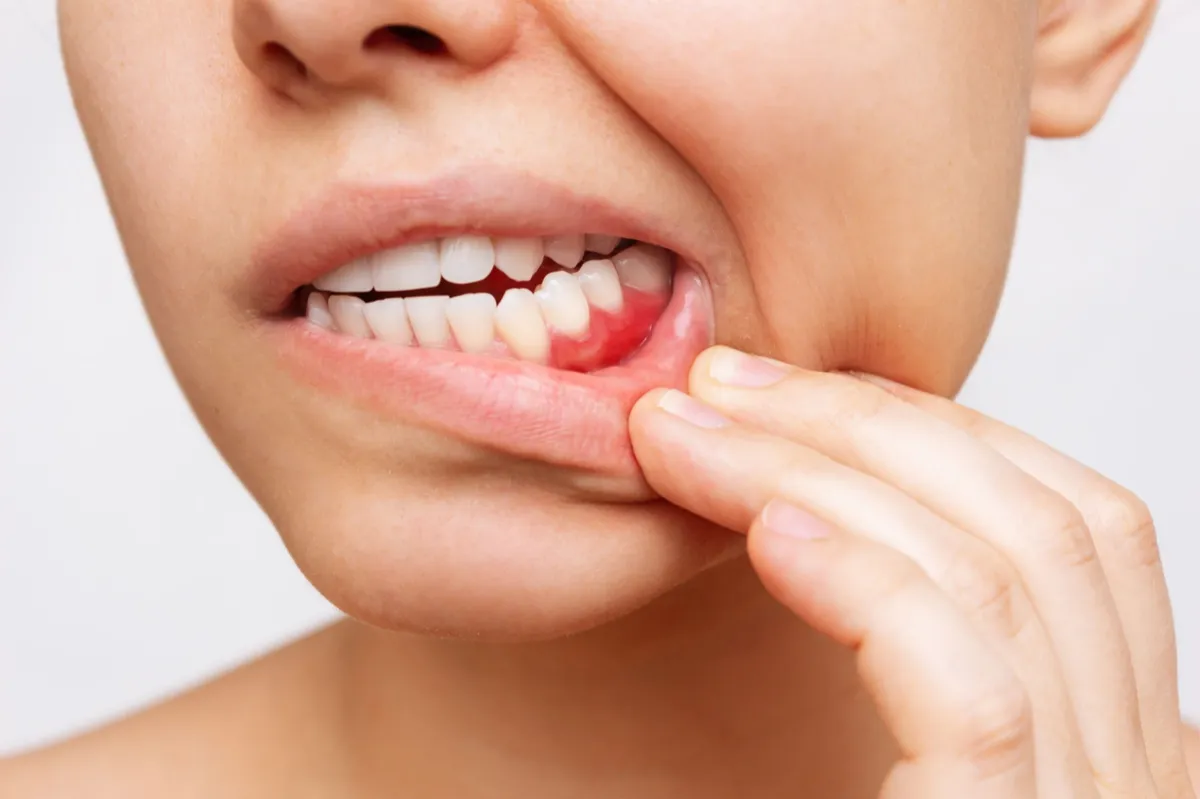
A little pink in the basin after brushing. Most people file it under "brushed too hard" and carry on for months, sometimes years.
Occasionally that explanation is right. More often the gum has been signalling for a while, in a voice so quiet it gets mistaken for normal. Puffiness along the edge of a tooth, a faint taste that doesn't go away, a gap that wasn't there at last year's family wedding photographs. None of it hurts, which is exactly why it gets ignored. Pain is a poor guide in gum work. The good news hiding inside that is that tissue with no pain attached tends to respond very well once someone finally looks at it properly.
What a proper assessment looks like
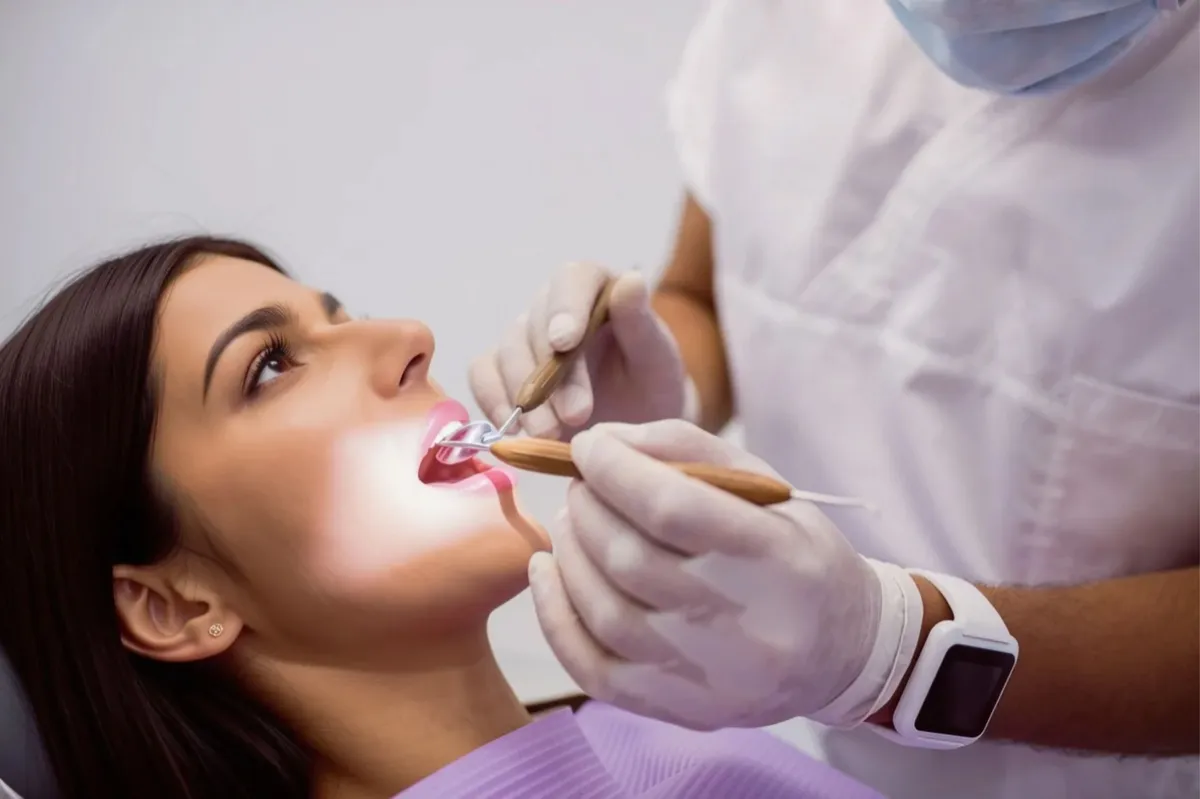
It begins with a thin, calibrated probe and a quiet voice calling out numbers. Six points around every tooth, measured in millimetres. Readings of one to three are generally regarded as healthy. Higher numbers show where a pocket has formed, and they give you something no mirror can: a baseline.
I put a lot of weight on that baseline. Without it, a patient and a dentist are only trading impressions about whether things are "better". With it, six months later the figures either shrank or they didn't, and the conversation becomes a short and honest one. X-rays add the picture below the gum, where bone height decides most of what happens next.
The whole thing is gentler than people expect. Nobody should dread a probe.
Gum Treatment (Scaling to laser) in Maruthankuzhi, Thiruvananthapuram
Scaling and root planing (SRP); this is a careful deep clean both above and below the gumline, usually one of the first treatments for most patients, being done under local anaesthesia so the only feeling you would have during this type of treatment offshore be pressure. Deposit hardens away from the root surface, create abrasive and smooth surfaces to make it more difficult for bacteria to cling, and gum can begin re-tightening against the tooth. Many early and mild cases resolve with this plus good home habits alone. That shocks patients who came in expecting surgery.
This is where laser therapy comes into play, it does not replace this alongside. Dental lasers help eliminate bacteria within the pocket and can even treat the soft inner lining, and many patients report that their visit is less stressful than anticipated. It is a function of the probing numbers and the look of the tissue that determines if it belongs in a given plan or not, which explains why one patient gets it and another doesn't. Both are being treated well.
For those pockets that remain deep following phase I therapy, a minor flap procedure allows the clinician access to visualize and debride the root surface directly. Is more dramatic than is feeling. Most of the weight is carried by planning, comfortable anaesthesia and a well designed healing regimen.
The Gum Treatment in Maruthankuzhi, Thiruvananthapuram all have options varying from the simple to advanced, and the art is knowing which smallest step that will do the job. Abstract: The first step is performing scaling to get rid of the delayed-term plaque build-up from enamel-roughed and root-smooth structures. Gum Disease Treatment in Maruthankuzhi, Thiruvananthapuram works with that same ladder beginning from scratch.
Bone, and the case for rebuilding it
Eventually, gum disease develops into bone loss in the tooth-supporting bone. Those bones, once thinned, cannot be replaced with any degree of self-polishing.
Bone grafting changes that. Graft material is placed in the area from which the bone has perished, and over time your body creates its own bone around it, stabilising teeth that otherwise may have been lost. Q: Is it a surgical procedure, and yes, it is performed in a clinic with local anaesthetic. And it does something that cleaning cannot: provides real reinforcment to a loosening tooth.
These cases make me soft because the improvement is apparent on follow-up X-ray. Shadows fill in a grey, shadow formless defect, most patients who see it eventually become the best brushers in the practice.
The field of Periodontology in Thiruvananthapuram has travelled a long way over last two decades, with regenerative procedures being common nowadays rather than an exotic option.Periodontal Treatment in Thiruvananthapuram focuses on controlling gum infections, managing periodontal pockets and preserving the supporting structures of natural teeth.
Gum Care at Home Maruthankuzhi, Thiruvananthapuram
Technique beats effort. Small, gentle strokes of a soft brush angled roughly 45 degrees at the gumline will do more than the hardest scrub ever could. Two minutes, twice a day. Fine. Proper Gum Care in Maruthankuzhi involves regular dental check-ups, professional cleaning and consistent oral hygiene habits to prevent gum problems from progressing.
The area that often gets neglected is between the teeth. Interdental brushes come in sizes, and size is a huge deal. If it is too small, then it gets through and does not touch anything. The one on the left hits a wall of light resistance and turns out much more noticeably cleaner. Within ten seconds a dentist can point out which colour fills which gap, and that is the most useful ten seconds of any appointment.
Quitting chewing tobacco or paan with tobacco, where applicable, is probably the best thing a patient can do for her gums. Often those who stop heal with surprising rapidity. Bleeding slows, the tissue hardens, and the colour returns to a healthy coral pink. A mouthful of fresh fruit, some crunchy raw veggies and a few less sticky sweets at tea-time will be steadier, more thrifty and without the glamour-purchase appeal for the whole pack.
Choosing where to go
Ask to see your numbers. Ask what the follow-up plan is, and when the next measurement will be taken. A clinic that is comfortable answering those questions is one that expects to be judged on results, which is the right attitude.
Maintenance visits every three to six months are common after active treatment, and they are short and pleasant, closer to a tune-up than a procedure. Trivandrum Smiles offers gum care for patients across Thiruvananthapuram, and a first consultation is a reasonable way to find out where your own gums stand.
Healthy gums are very achievable. They mostly need someone to start measuring.
FAQ
Why Choose Gum Treatment in Maruthankuzhi, Thiruvananthapuram for Healthier Gums?
Local care means you can attend regular reviews without a long journey, and regular reviews are what keep gums healthy over years. It also lets the dentist track your measurements and healing at every visit.
What Are the Treatment Options for Healthy Gums in Maruthankuzhi?
Options include professional scaling, root planing, laser therapy, flap procedures and bone grafting. Your assessment decides which of these suits you, and many patients need only the first.
Can Gum Treatment Help Prevent Bleeding Gums?
Yes. Bleeding usually comes from inflamed tissue, and once the deposits causing the inflammation are removed and home care is adjusted, bleeding commonly settles within a few weeks.
Is bone grafting a surgical procedure?
It is, and it is carried out under local anaesthesia in a clinical setting. Most patients manage the recovery with simple aftercare instructions.
Can bone grafting prevent further bone loss?
Grafting rebuilds support around affected teeth and gives the area a stable foundation. Combined with good gum health and regular check-ups, it helps protect the bone you have.
What are the common signs of gum disease?
Bleeding when brushing, red or swollen gums, persistent bad breath, gums that look like they are pulling back, and teeth that feel slightly loose. Early gum disease can also be completely painless.
What is laser gum therapy?
It uses a focused beam of light to clean infected gum tissue and reduce bacteria in the pockets around teeth. It is usually used together with scaling and root planing.
Can laser therapy be used for advanced gum disease?
It can form part of the treatment plan for advanced cases, alongside deep cleaning or surgical procedures. Your dentist decides how it fits after examining your gums and X-rays.
Is gum treatment different for every patient?
Yes. Pocket depths, bone levels, medical history and habits all differ, so each plan is built around the individual.
Can gum disease cause tooth sensitivity?
It can. When gums recede, the root surface is exposed and reacts to cold and sweet things, and treating the gums often brings that sensitivity down.
Meet the Author

Dr. Abhinandh Krishna, MDS
Specialist in Oral Pathology & Microbiology
With years of experience in dentistry, Dr. Abhinandh Krishna is committed to providing patients with accurate diagnosis, personalised treatment, and compassionate care. His approach focuses on understanding each patient’s concerns, explaining treatment options clearly, and ensuring a comfortable experience throughout their dental journey.

Your Gateway to Healthy Smiles!
Guided by specialists. Built on trust.


© 2026 Trivandrum Smiles. All rights reserved.